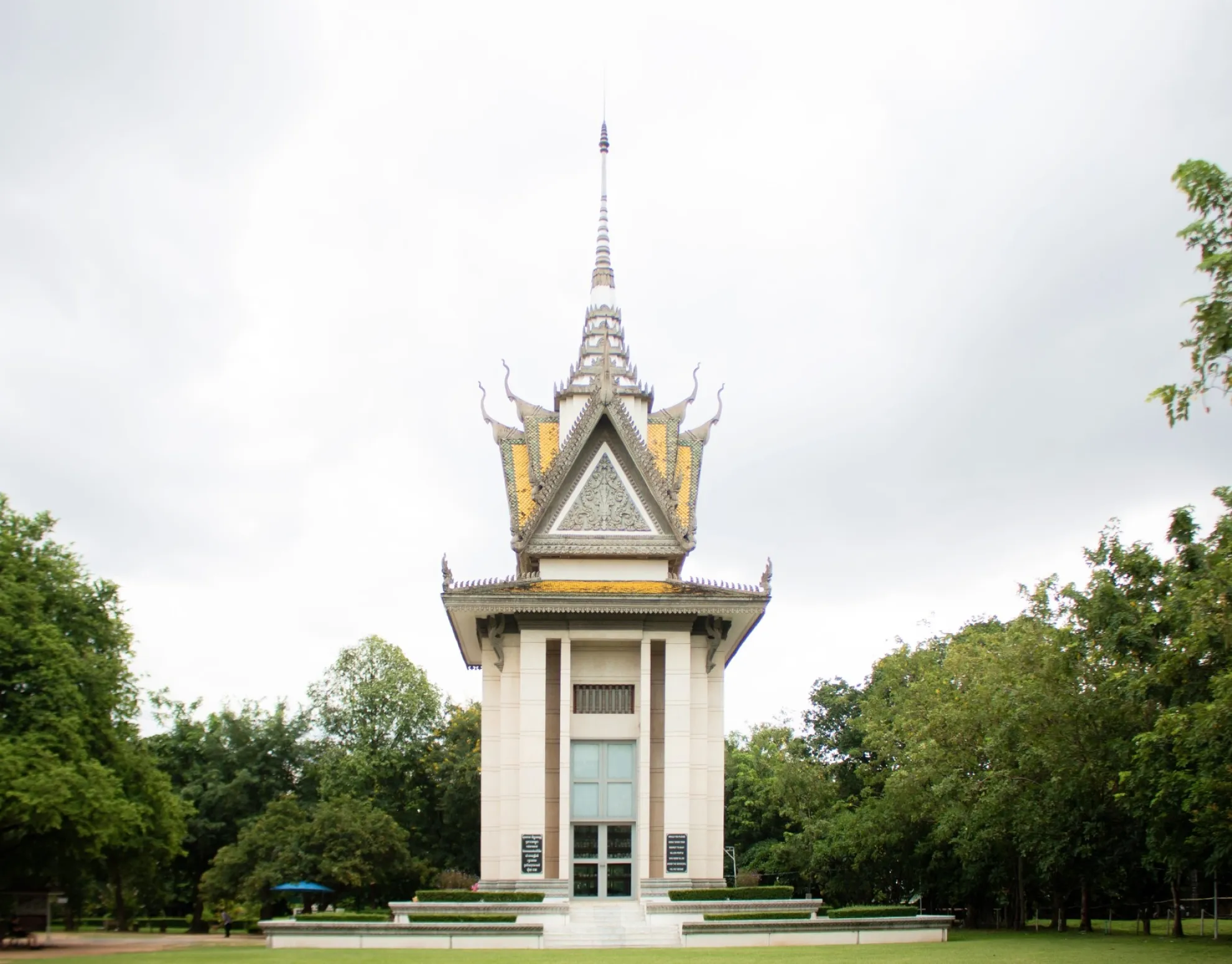
Cambodia’s Sites of Memory: From Sites of Crimes to Centers of Reconciliation and Peace was inscribed on the UNESCO World Heritage List on July 11, 2025, in Paris, France. This new World Heritage property consists of three main locations: the former M-13 prison, the Tuol Sleng Genocidal Museum, and the Choeung Ek Genocidal Center. These three sites represent one of the most severe human rights violations of the 20th century, which occurred under the Khmer Rouge regime between 1971 and 1979.
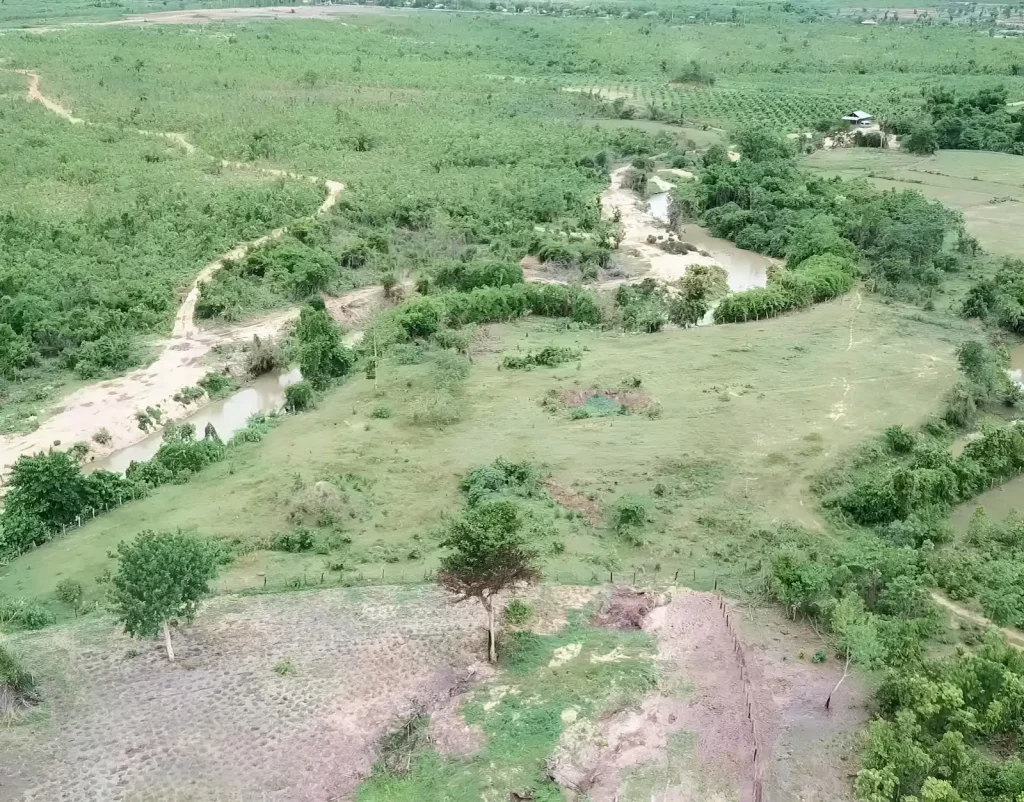
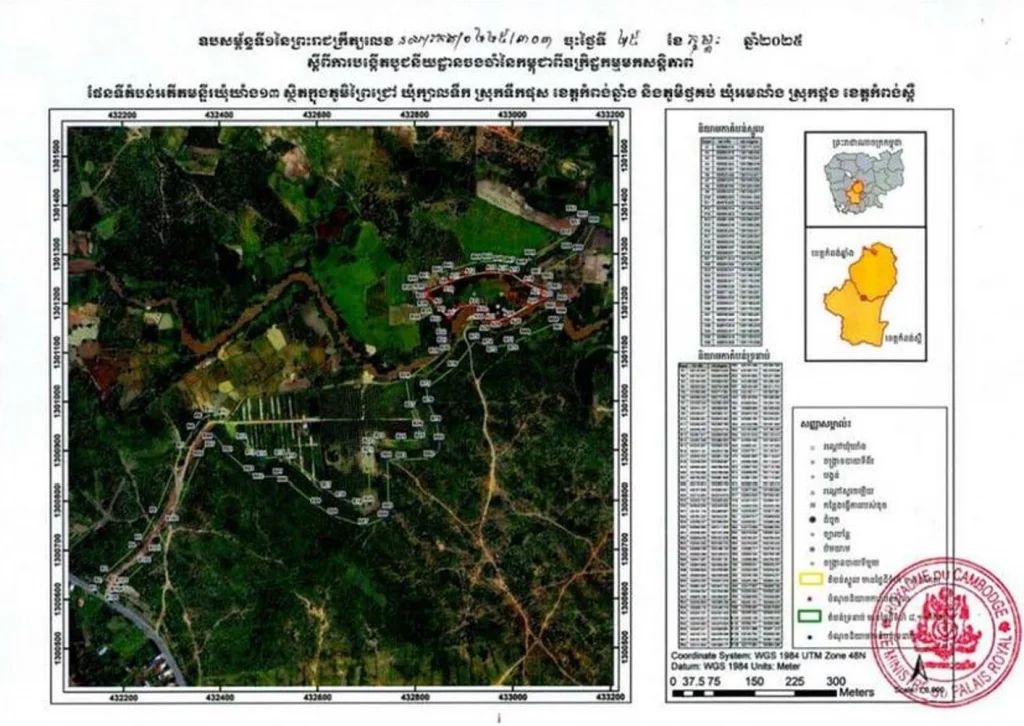
1. Former M-13 Prison
It is located on the border between Kampong Speu and Kampong Chhnang provinces. This site represents the first stage of the Khmer Rouge’s security and oppression system during the civil war; it was used as a detention center between 1971 and 1975 before shifting to Tuol Sleng after the Khmer Rouge fully captured Phnom Penh on April 17, 1975. This former prison was used to detain, interrogate, and torture prisoners, most of whom were arrested from areas under the control of the Khmer Republic government. It is also considered the prototype for the security prison system that the Khmer Rouge later developed across the country.
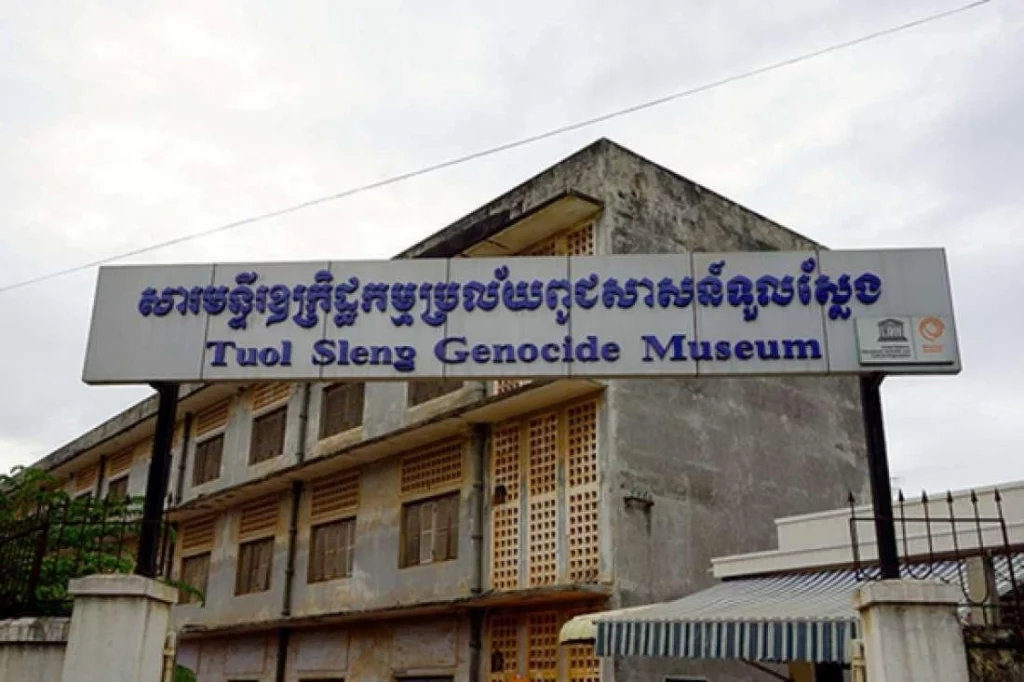
2. Tuol Sleng Genocidal Museum (Former Security 21 or S-21)
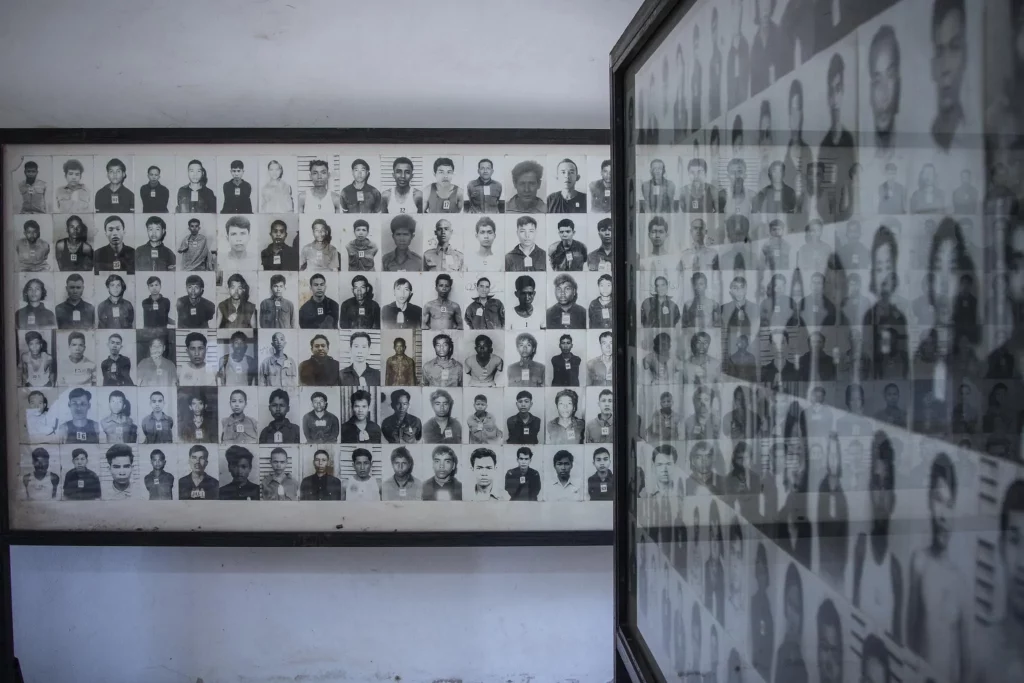
It is located in Boeung Keng Kang Commune, Boeung Keng Kang District, Phnom Penh. Originally, this site consisted of two schools built in 1962: Tuol Sleng Primary School and Tuol Svay Prey High School. After the Khmer Rouge took over Phnom Penh on April 17, 1975, the site was converted into the regime’s most important detention and interrogation center. Approximately 15,000 to 20,000 prisoners were detained and tortured here before being sent to Choeung Ek for execution. Today, the museum preserves numerous documents, archives, photographs, and artifacts that serve as vital evidence for the study and remembrance of crimes during the Khmer Rouge regime.
3. Choeung Ek Genocidal Center
It is located in Roluos Village, Choeung Ek Commune, Dangkor District, Phnom Penh. This site served as the execution ground for prisoners sent from Tuol Sleng Prison (S-21) following their interrogation and torture. Currently, it has become a site for memorializing victims and a place for education, remembrance, and reflection on the values of peace and humanity.
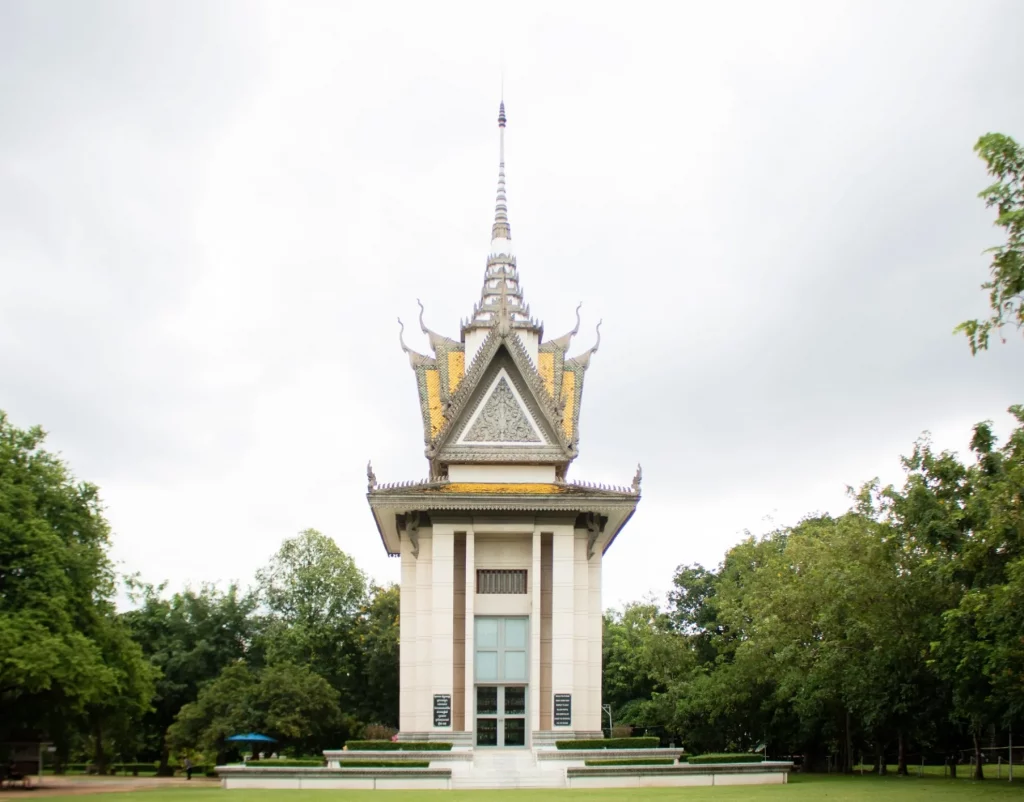
Since the fall of the Khmer Rouge, Cambodia has worked to preserve these sites and organize research over many years to transform these crime scenes into places of memory, peace, and education. These sites not only honor the souls of the victims but also showcase Cambodia’s journey toward justice, national reconciliation, and peace-building.
Under World Heritage Criterion (vi), Cambodia’s sites of memory are directly linked to events of global significance—specifically the Khmer Rouge system of oppression, internationally known as the “Killing Fields”. These three sites possess both tangible and intangible value through the structures, documents, archives, and victim testimonies that confirm one of the most serious human rights violations in human history. At the same time, these locations have become places for learning and reflect the collective commitment of the international community to prevent such atrocities from happening again.